
Learning through play
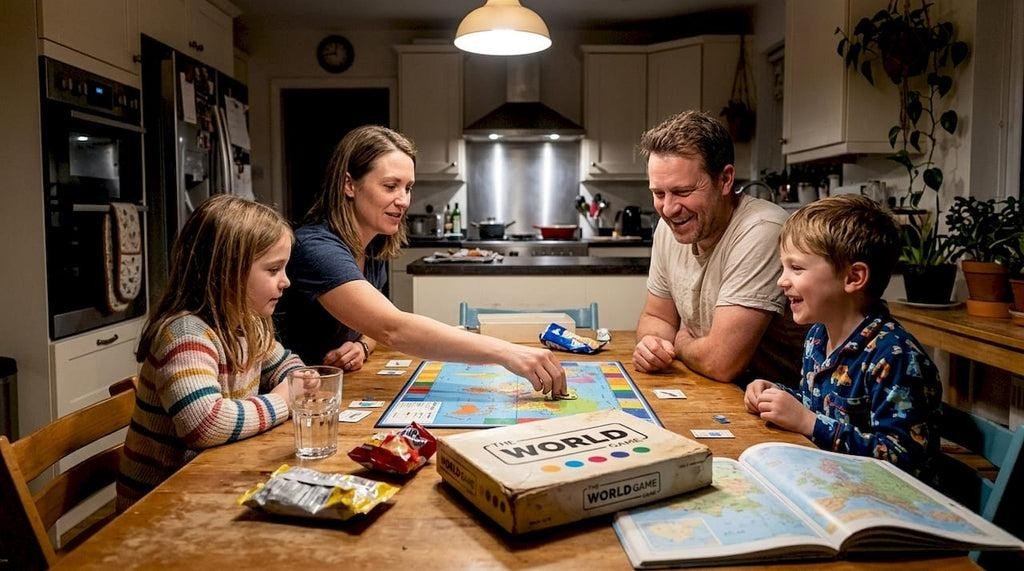
Why gameschooling works
Good games. Great conversations. Lifelong learning.
There is something wonderful about watching a child learn without realising they are learning.
They are laughing, arguing over whose turn it is, counting spaces on a board, trying to remember a rule or proudly announcing that they have finally beaten Mum or Dad. To them, it is play.
But underneath all that playing, something rather important is happening.
They are learning.
This is one of the reasons I have become such a fan of gameschooling.
Gameschooling is simply using games as part of a child’s education. It doesn’t mean throwing away books, worksheets or traditional learning. Instead, it gives children another way to learn—one that can be fun, hands-on and much more memorable.
And sometimes, the best learning happens when children don’t realise they’re doing schoolwork at all.
What makes games so valuable?
Think about how children naturally learn when they are little.
They build towers, sort objects, match colours, count things, ask endless questions and make up their own games. They learn through doing.
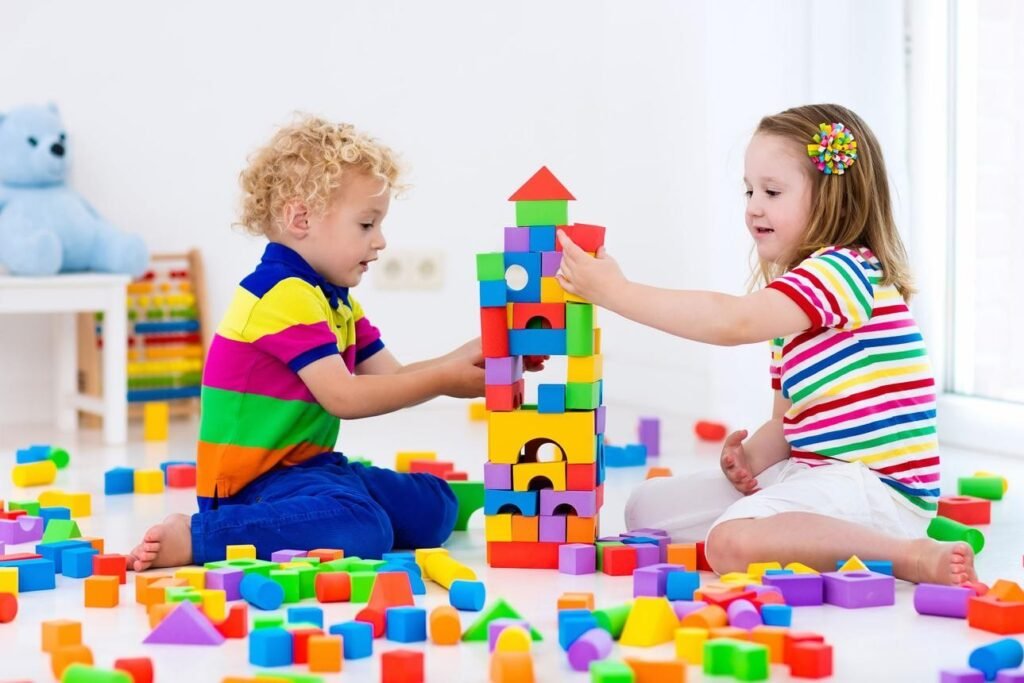
As children get older, we can sometimes forget that this is still an incredibly powerful way for them to learn.
A game can turn a maths problem into a challenge. A spelling activity can become a competition. A strategy game teaches children to think ahead.
And a simple family game can teach patience, communication and how to handle losing—something that can be considerably harder to learn than the rules of the game!
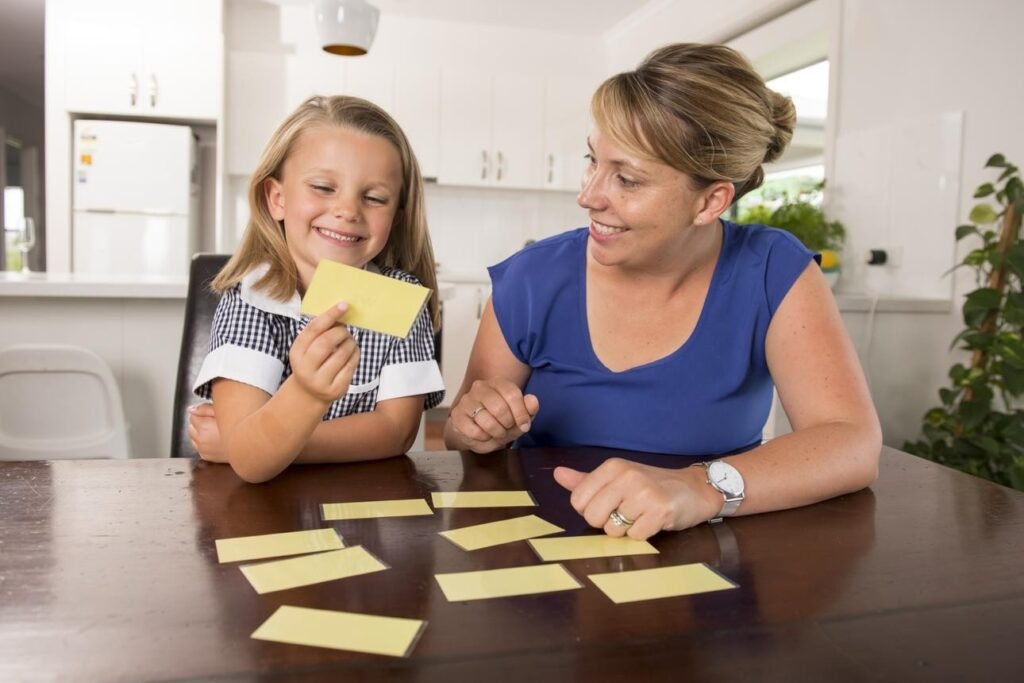
Games teach much more than facts.
One of the things I love most about gameschooling is that the learning isn’t always obvious.
Yes, a child might be practising addition while playing a maths game. But they may also be learning to wait their turn, follow instructions, make decisions and cope when things don’t go their way.
They are learning to listen. They are learning to communicate. They are learning persistence.
Making a mistake doesn’t mean a child has failed. It simply means they’re ready to have another go.
These are skills children will carry with them long after they have forgotten the answer to a particular maths question.
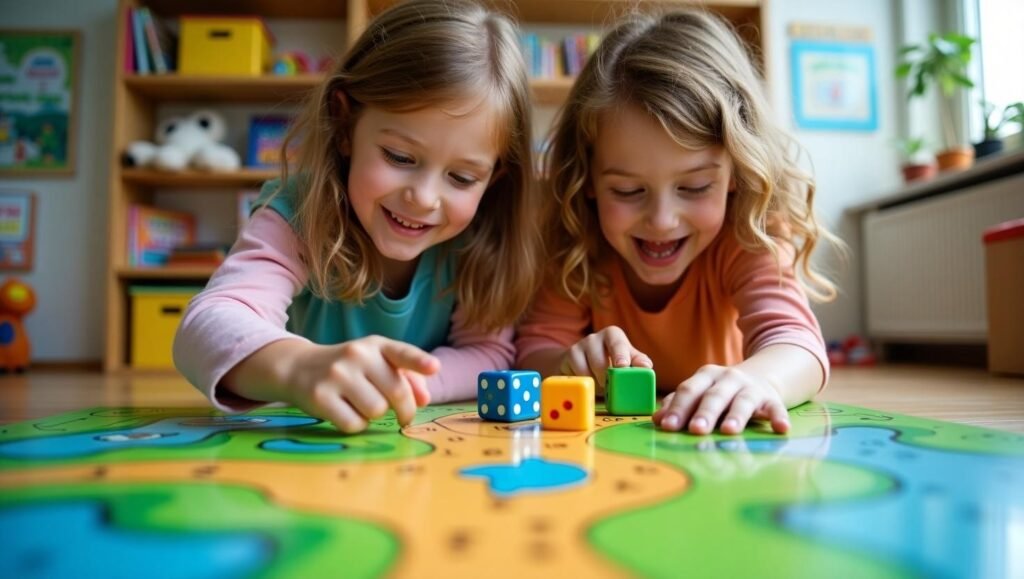
Games can take the pressure out of learning
Some children thrive with a worksheet and pencil. Others don’t.
And that’s okay.
There is a difference between saying:
“Let’s practise our times tables.” and saying:
“I wonder if you can beat me at this?”
The information may be exactly the same, but the child’s attitude towards it can be completely different. Games create curiosity rather than pressur
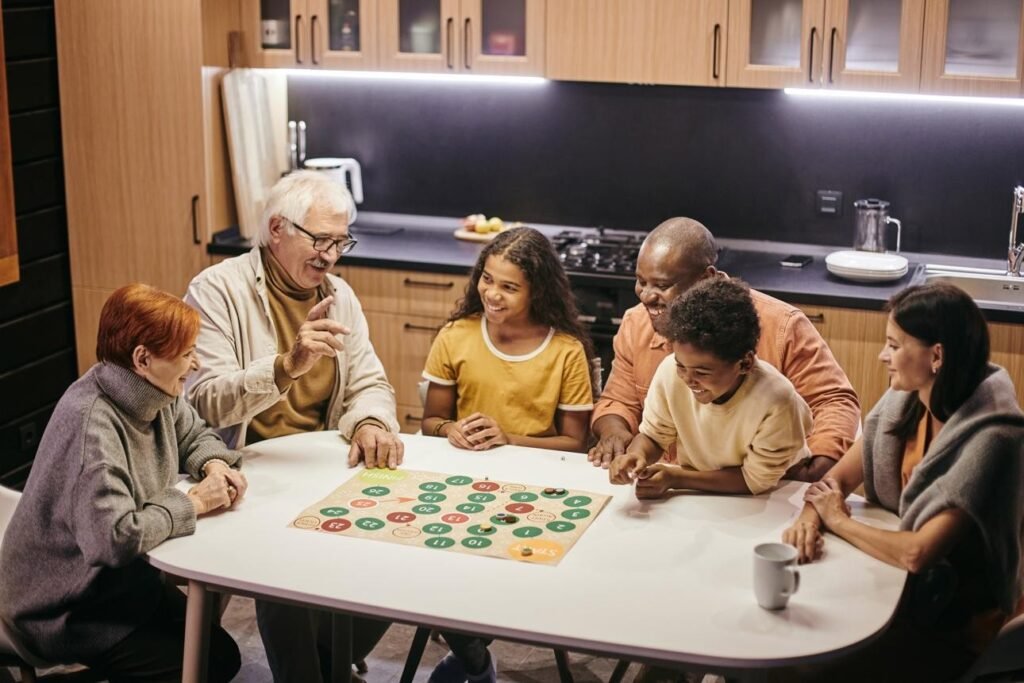
Learning together maters.
Some of the best learning happens around the kitchen table with the whole family.
Grandparents can play. Brothers and
sisters can play. Parents can play. Suddenly education becomes something shared rather than something that belongs only to the child.
There is conversation. There is laughter. There are wonderful little moments of discovery.
When children are around family and feeling loved their minds are more receptive to learning.
Don't underestimate the ordinary game.
One of my favourite things about gameschooling is that you don’t need a cupboard full of expensive educational games.
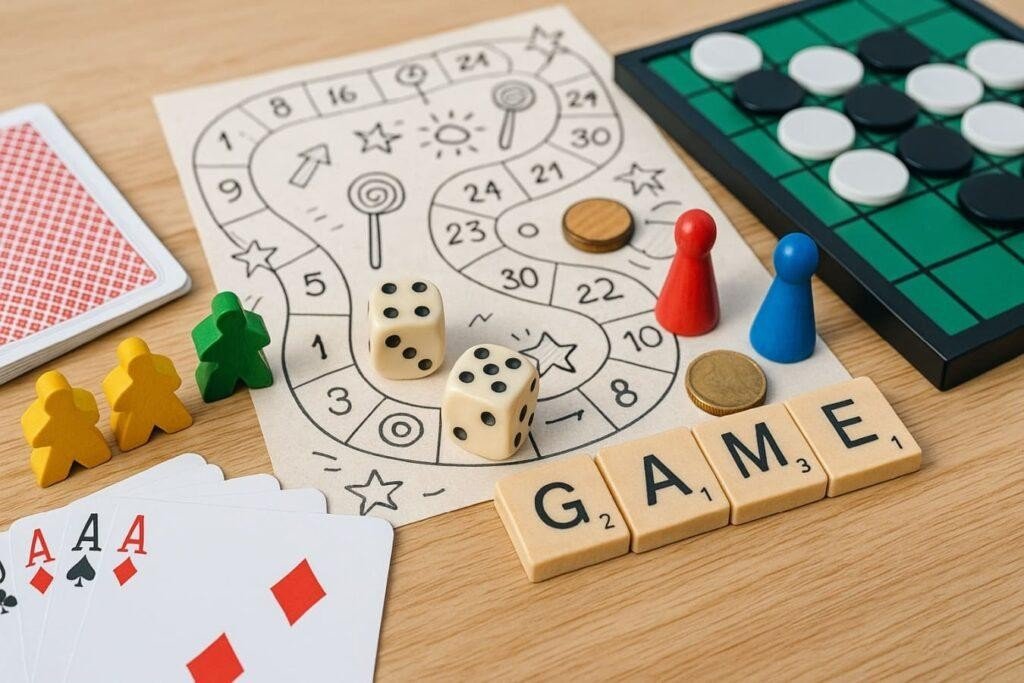
- A deck of cards teaches numbers and patterns.
- Dice become wonderful maths tools.
- Board games teach counting, strategy and turn-taking.
- Word games build vocabulary.
- Memory games develop concentration.
Ask yourself: What is my child practising while they play this?
Children do need to lose sometimes.
Losing is hard. Especially when you’re six. Or eight. Or, if we’re being completely honest, forty-eight.
Games give children a safe place to practise disappointment, congratulate others, and discover that losing one game doesn’t stop you enjoying the next.
When learning feels like play, children are more willing to try, make mistakes and keep going.
Gameshooling belongs in every toolbox
Gameschooling doesn’t have to replace school. It can simply be another tool in your parenting and education toolbox.
It might be ten minutes after dinner, a rainy afternoon activity, something you do on the weekend, or a fun way to practise a skill your child is finding difficult.
Because children don’t stop learning just because we’ve stopped calling it school.
In fact, some of the things they remember most vividly are the things they learned while they were laughing.
Sometimes, all we need to do is give them permission to play
with love
Nana Tam
Stay connected with Nana Tam
If you’ve enjoyed this article, why not join our growing community? Be the first to hear about new books, activities, resources and ideas from Nana Tam
Come and be part of the Nana Tam Family
Join us and be the first to hear about new books, resources, activities and little adventures as they arrive.
Welcome to the Nana Tam Family
Thank you for Joining us! We're so happy to have you along for the journey. Keep an eye out for new books, activities, resources and little adventures as they unfold.