
Helping children grow, learn and thrive through good nutrition

We all want our children to grow, learn and thrive, and good nutrition plays an important role in helping them do just that. But with so much information about what children should and shouldn’t eat, knowing where to begin can sometimes feel overwhelming. There will be nights when takeaway is the easiest option, and there will be evenings when a toasted cheese sandwich is all you have the energy to prepare. Healthy eating isn’t about being perfect. It’s about creating positive habits over time.
The good news is that healthy eating doesn’t have to be complicated. By offering a variety of foods throughout the day, we can help provide the nutrients children need for growth, energy, development and overall wellbeing. Then a couple of shortcut meals during the week won’t be too detrimental.
In this article, we’ll look at the main nutrients children need, why they are important and which everyday foods can help provide them. If you have concerns about your child’s growth, eating habits or nutritional needs, it’s always a good idea to speak with your GP or an accredited practising dietitian.
Macronutrients: The nutrients children need in larger amounts
Macronutrients are nutrients that the body needs in larger quantities. They provide energy, support growth and help the body function properly.
The three main macronutrients are carbohydrates, protein and fats.
Carbohydrates
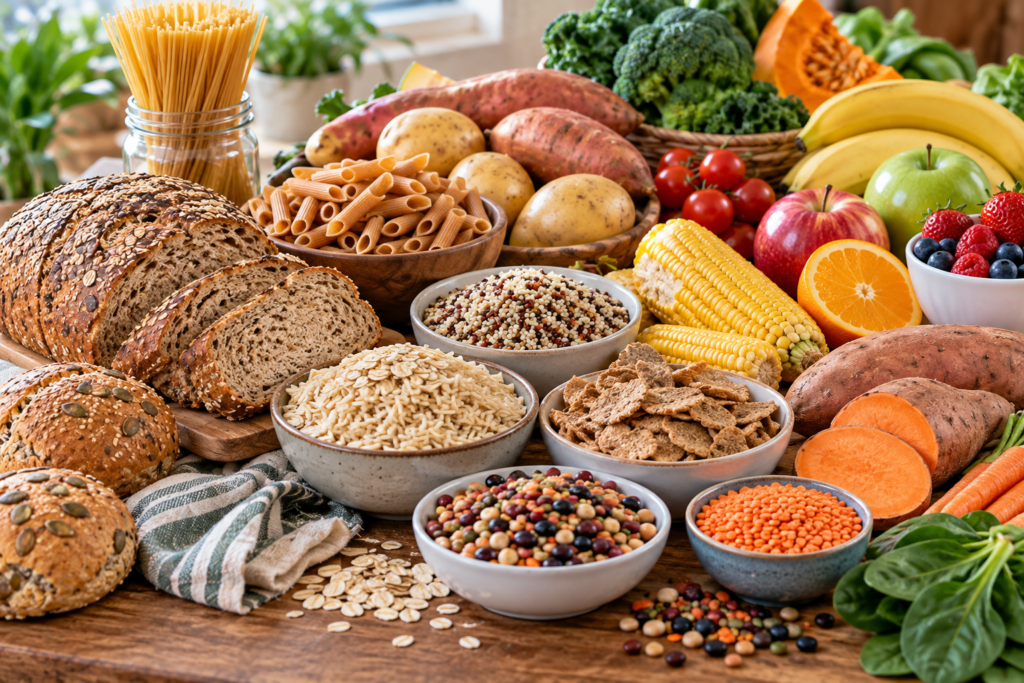
Foods that provide carbohydrates include:
Bread and wholegrain cereals
Oats
Rice and pasta
Potatoes and sweet potatoes
Fruit
Vegetables
Beans and lentils
Carbohydrates are an important source of energy for growing children. Their bodies and brains need a reliable supply of energy throughout the day, and carbohydrates help provide it.
Wholegrain and high-fibre choices can provide additional nutrients and help support healthy digestion. Australian dietary guidelines recommend choosing a variety of grain foods, mostly wholegrain or high-fibre varieties.
There is no need to avoid foods such as bread or pasta. The key is to offer a variety of carbohydrate-rich foods as part of a balanced diet.
Protein
Good sources of protein include:
Lean red meat
Chicken
Fish and seafood
Eggs
Milk, yoghurt and cheese
Beans and lentils
- Chickpeas
- Nuts and seeds, where appropriate and safe
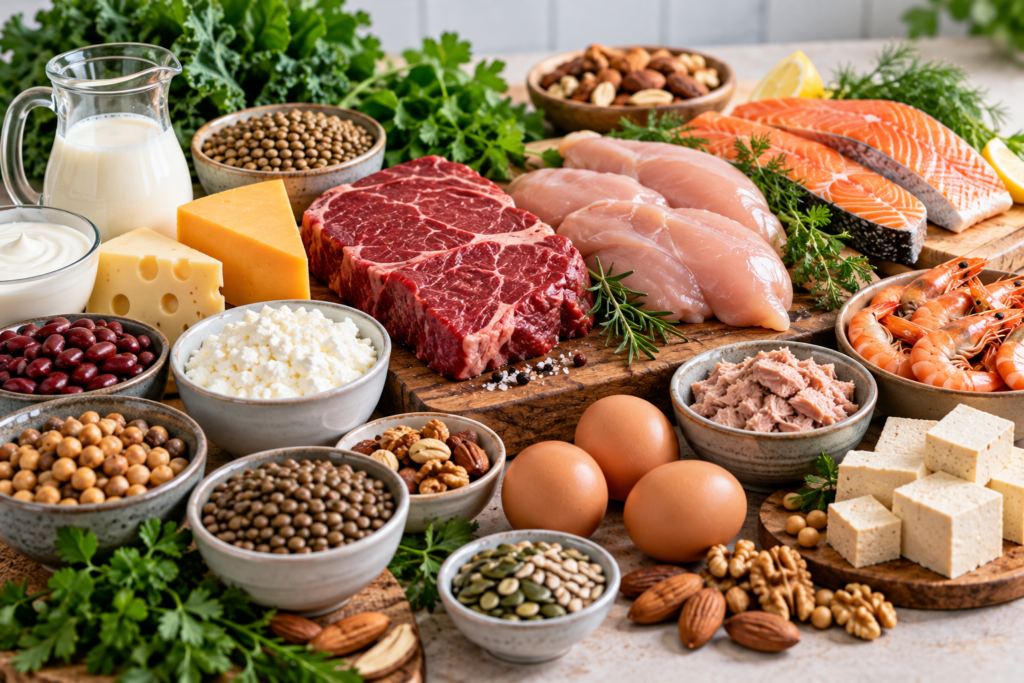
Protein is essential for growth, development and the repair of body tissues. Children need protein to help build muscles, bones, skin and other parts of their growing bodies.
Offering a variety of protein sources throughout the week helps children receive the different nutrients their bodies need.
Fats
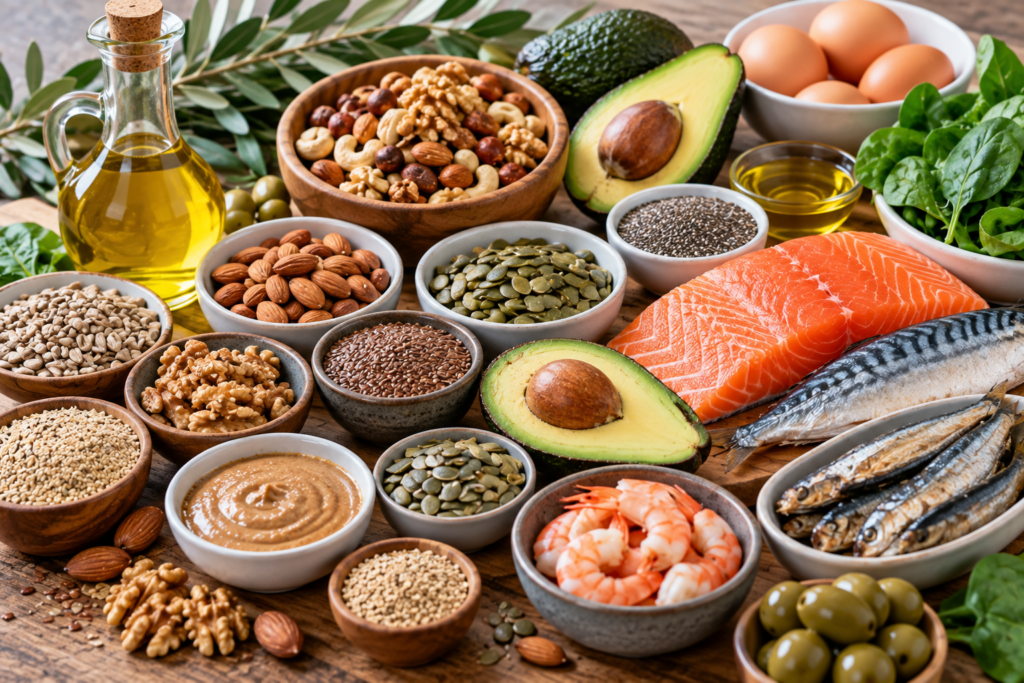
Food sources for unsaturated fats:
- Avocados
- Olive oil
- Nuts and seeds
- Tahini
- Oily fish
Although fats sometimes receive negative attention, healthy fats are an important part of a child’s diet. They provide energy, help the body absorb certain vitamins and support brain and nervous system development.
Unsaturated fats are generally the types we should choose more often. Foods such as eggs and dairy products contain a mixture of fats, as well as other important nutrients. The important thing is to include healthy sources of fat as part of a balanced diet, rather than trying to remove fat altogether.
Micronutrients: Nutrients children need in smaller amounts
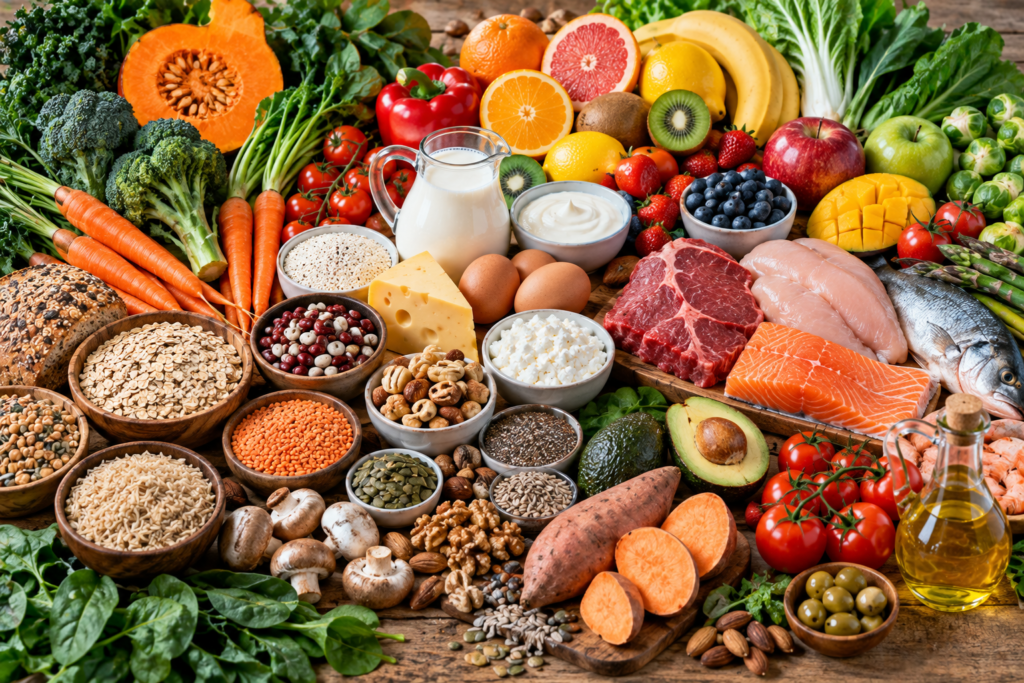
Micronutrients are vitamins and minerals that the body needs in smaller amounts. Although children only need small quantities, these nutrients play important roles in growth, development and overall health.
Vitamins
Vitamin A
Vitamin A supports healthy vision, skin and immune function. Sources of vitamin A include:
- Carrots
- Sweet potatoes
- Pumpkin
- Spinach and other leafy green vegetables
- Eggs
- Dairy products
Liver also contains vitamin A, but it should only be eaten occasionally and, for children in small portions, because it contains very high levels of this vitamin.
B-group vitamins
B-group vitamins help the body use energy from food and support the nervous system and normal growth. Sources include:
- Meat and poultry
- Fish
- Eggs
- Wholegrain breads and cereals
- Dairy products
- Legumes
- Green leafy vegetables
- Nuts and seeds
Vitamin C
Vitamin C supports normal immune function, healthy skin and wound healing. It also helps the body absorb iron from plant based foods. Good sources include:
- Oranges and other citrus fruits
- Strawberries
- Kiwifruit
- Capsicum
- Broccoli
- Tomatoes
- Rockmelon
- Other fruits and vegetables
Including a source of vitamin C alongside plant based iron foods can help the body absorb the iron more effectively.
Vitamin D
Vitamin D helps the body absorb calcium and supports healthy bones and teeth. It also plays a role in muscle and immune function.
Our bodies can produce vitamin D when our skin is exposed to sunlight. Small amounts can also be found in foods such as:
- Oily fish
- Egg yolks
- Some fortified foods
The amount of sunlight needed varies depending on the season, location, skin type and other factors. It is important to follow sun safety advice and avoid sun exposure when the UV index is high.
Vitamin E
Vitamin E helps protect cells from damage and supports normal immune function. Sources include:
- Sunflower seeds
- Almonds and other nuts
- Avocado
- Spinach
- Wholegrain foods
Nuts and seeds should always be offered in an age-appropriate form because whole nuts can be a choking risk for young children. It is also important to be aware of food allergies.
Vitamin K
Vitamin K is important for normal blood clotting and also plays a role in bone health. Sources include:
- Leafy green vegetables
- Broccoli
- Cabbage
- Other green vegetables
Offering a variety of vegetables throughout the week can help children receive vitamin K and many other important nutrients.
Minerals
Minerals are also essential for children’s growth and development. Some of the key minerals children need include calcium, iron, zinc and iodine.
Calcium
Calcium is needed for strong bones and teeth. It also helps support normal muscle and nerve function. Good sources include:
- Milk
- Yoghurt
- Cheese
- Canned fish with edible bones, such as sardines
- Some leafy green vegetables
- Calcium fortified foods such as plant based milk and calcium set tofu
Children who do not consume dairy products may need suitable alternatives to ensure they receive enough calcium.
Iron
Iron is essential for making haemoglobin, the protein in red blood cells that carries oxygen around the body. Children need iron for growth, development and normal energy levels. Sources of iron include:
- Lean red meat
- Chicken
- Fish and seafood
- Eggs
- Lentils
- Chickpeas
- Beans
- Leafy green vegetables
- Tofu
- Iron fortified cereals
Iron from animal foods is generally absorbed more easily than iron from plant based foods. Offering plant based iron foods alongside foods rich in vitamin C can help improve absorption.
Zinc
Zinc supports normal growth, immune function and wound healing. Sources include:
- Meat
- Fish and seafood
- Eggs
- Dairy products
- Wholegrain foods
- Beans and lentils
- Nuts and seeds
Offering different sources of zinc throughout the week can help support your child’s nutritional needs.
Iodine
Iodine is needed to produce thyroid hormones, which are important for growth and development. Sources of iodine include:
- Fish and seafood
- Dairy products
- Eggs
- Some fortified foods
It’s better to focus on offering iodine rich foods rather than adding extra salt to a child’s meal. Too much salt is not recommended for children.
Water and Fibre:
Often overlooked but important
When thinking about nutrition, water and fibre are often overlooked but they are also extremely important parts of an overall healthy eating routine.
Fibre
Fibre helps support healthy digestion and can help prevent constipation. Good sources include:
- Fruit
- Vegetables
- Wholegrain breads and cereals
- Oats
- Beans and lentils
- Nuts and seeds, when suitable and safely prepared
Increasing fibre gradually and ensuring children drink enough water can help support health bowel habits.
Water
Our bodies contain a large amount of water and we lose water throughout the day through breathing, sweating and using the toilet. We need to replace this water regularly.
Water helps regulate body temperature, transport nutrients and supports many of the body’s normal functions.
Children need regular access to water, particularly when they are active or when the weather is warm. Water should be the main drink offered to kids throughout the day.
Helping Children Eat Well
Listed above are the main building block of a healthy diet for your child. It’s a lot of information to take in and if you are worried in any way about your child’s eating habits you should seek advice from your doctor. The goal of parents should be to offer their kids a variety of foods across the day and throughout the week. Not every meal needs to contain every food group, and children do not need to eat perfectly every single day.
It may make your life easier, however, if you offer one regular night of the week as a takeaway night so you are not continuously hounded for Macca’s every night and if you need a night with an easy option keep some ideas in the toolbox that can be put together quickly at home (such as toasted cheese, baked beans, eggs).
Kids will get used to eating junk very easily and bad habits are hard to break. Explaining to your kids why they have to eat healthy and how it helps them grow and thrive is sometimes helpful if they can hear you over the screams for ice cream. There will be times when the sweet foods that keep them hyper for hours or even days will be unavoidable. Birthday parties, outings with friends and family, the grandparents spoiling and school events are times when you may have to let loose a little and pay the price later, and for those of us who are honest, many children’s moods and behaviour change for the worst after gorging on high sugar foods. Healthy eating is not about perfection. It is about a variety of good healthy foods the occasional not so healthy and helping children develop a positive relationship with food that encourages them to make good choices.
By eating together and offering nutritious choices it allows children to learn from your example and explore different foods and build healthy habits that will support them as they grow.
With Love
Nana Tam
Lorem ipsum dolor sit amet, consectetur adipiscing elit. Ut elit tellus, luctus nec ullamcorper mattis, pulvinar dapibus leo.
Come and be part of the Nana Tam Family
Join us and be the first to hear about new books, resources, activities and little adventures as they arrive.
Welcome to the Nana Tam Family
Thank you for Joining us! We're so happy to have you along for the journey. Keep an eye out for new books, activities, resources and little adventures as they unfold.